


Leaves, seed, mulch, trimming and winter prep. This fall yard cleanup checklist covers everything Hampton Roads homeowners should do between late September and early December, plus practical fall lawn care tips and when it makes more sense to hire the job out.
A good fall yard cleanup checklist in Hampton Roads covers five jobs: clear the leaves, aerate and overseed, refresh mulch, trim back what needs it, and prep the yard for winter. Get those done between late September and early December and your lawn and beds go into the cold season healthy instead of smothered.
Fall here runs longer and milder than in most of Virginia, which gives you more time but also more leaves. Below is the full checklist, a few fall lawn care tips for each step, and an honest look at what is worth doing yourself versus hiring out.
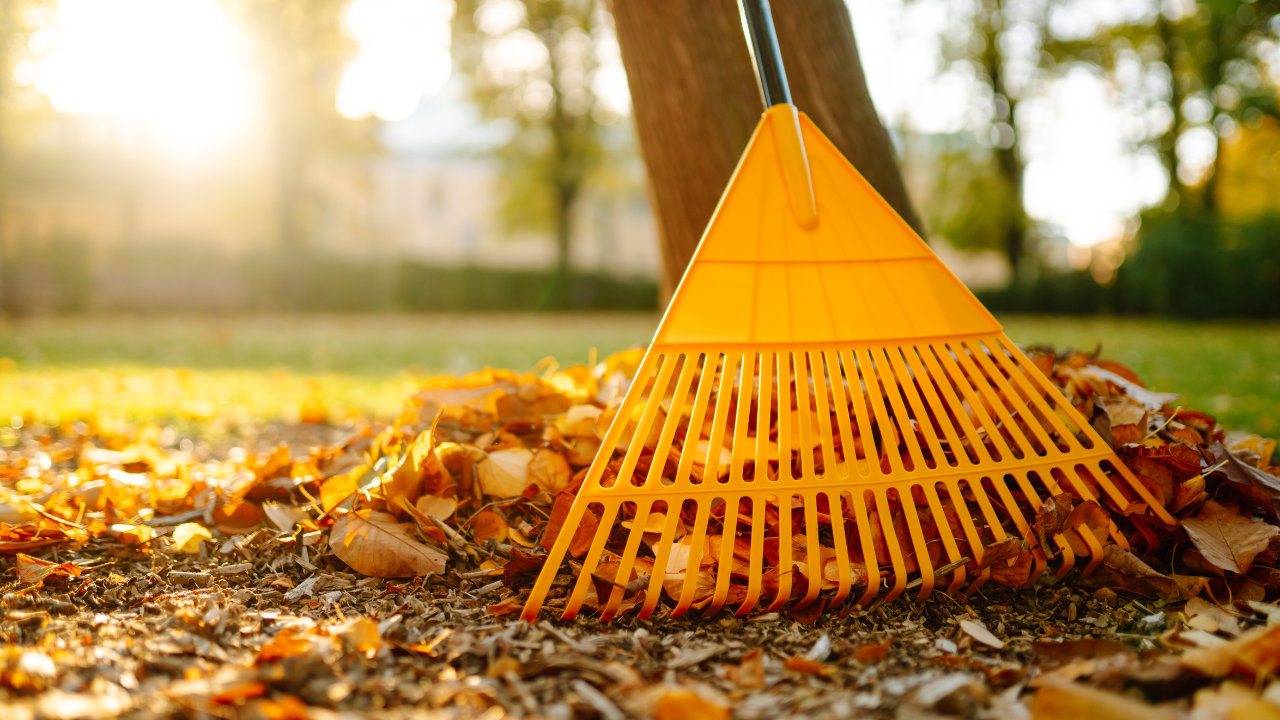
Leaf removal is the biggest job on any fall yard cleanup checklist, and the one with the most impact. A thick layer of wet leaves blocks sunlight, traps moisture against the grass, and invites mold and disease. In Hampton Roads, where many lawns are tall fescue that stays green and keeps growing through fall, that layer does real damage.
Rake or blow often, not once. Clearing leaves every week or two is far easier than one giant job in December, and the grass never sits under a heavy mat.
Mulch light layers with the mower. If only a scattering of leaves covers the lawn, mowing over them chops them into small pieces that break down and feed the soil.
Clear beds, gutters and drains. Leaves piled against foundations, in gutters and over storm drains hold water where you do not want it, especially during heavy fall rain.
Bag or haul the rest. Check your city's yard waste pickup schedule so bags are out on the right day.
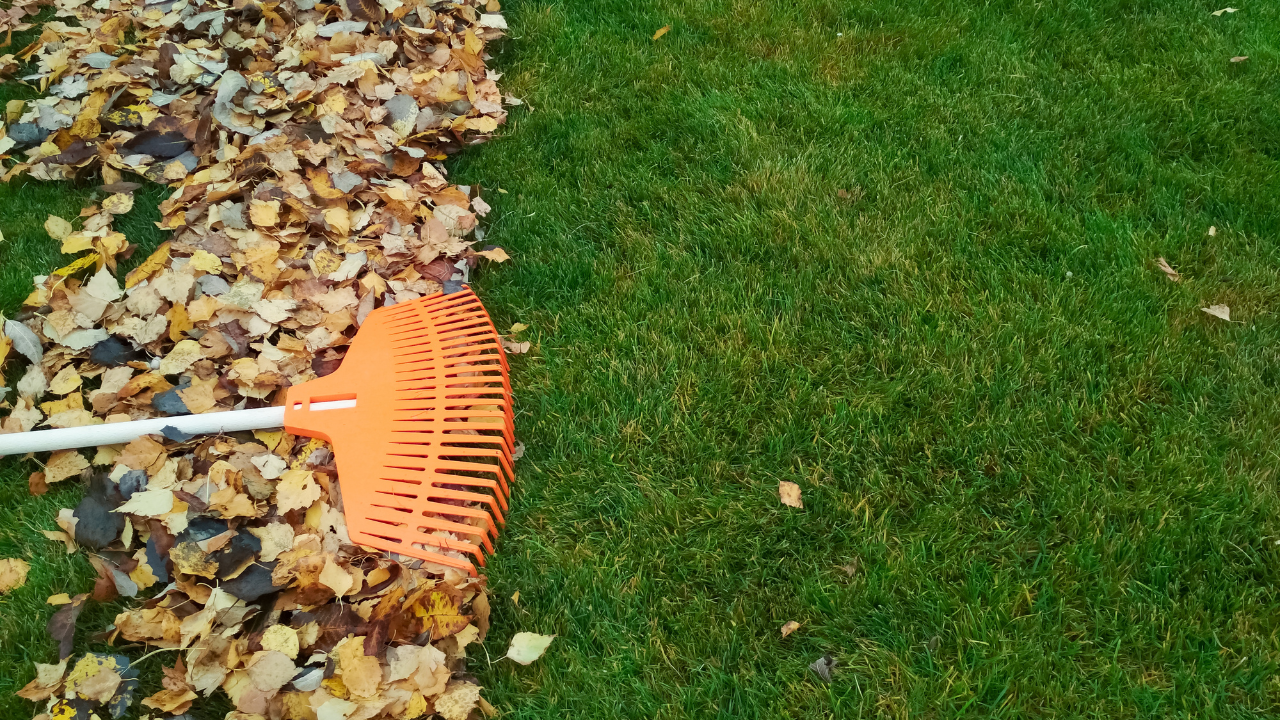
If your lawn is tall fescue, fall is the season to fix the thin, worn spots summer left behind. Core aeration loosens compacted soil, and overseeding right after puts new seed in direct contact with that soil.
Timing matters. For most Hampton Roads lawns the window runs mid September to mid October, so new grass has time to root before frost. Once seed is down, leaf removal becomes even more important, because a layer of leaves will smother seedlings within days.
Warm season lawns like Bermuda and zoysia are the exception. They go dormant in winter and are aerated in late spring instead.
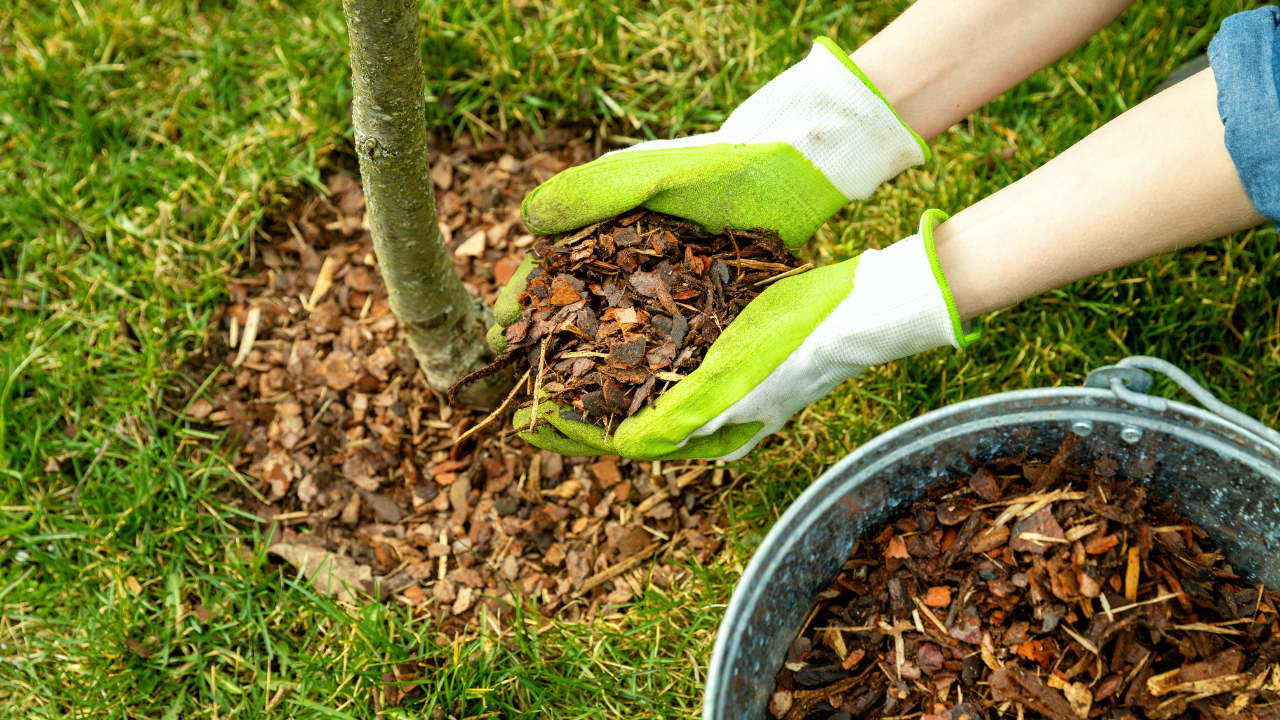
Fresh mulch is one of the most practical fall lawn care tips for beds and borders. It insulates roots against cold snaps, holds moisture through dry spells, and keeps winter weeds down.
Clear the beds first. Pull weeds and remove fallen leaves and spent annuals before adding anything new.
Keep it to two to three inches. Thicker layers can starve roots of air and hold too much water.
Pull it back from trunks and stems. Mulch piled against tree trunks or shrub stems traps moisture and invites rot and pests. Leave a small gap.
Edge the beds. A clean edge keeps mulch in place and makes the whole yard look finished going into winter.
Fall is a good time to deal with anything that could cause trouble once winter storms roll through.
Remove dead and hanging branches. Weak limbs come down in high winds, and coastal Virginia sees plenty of those. Anything large or near the roof or power lines is a job for a licensed arborist.
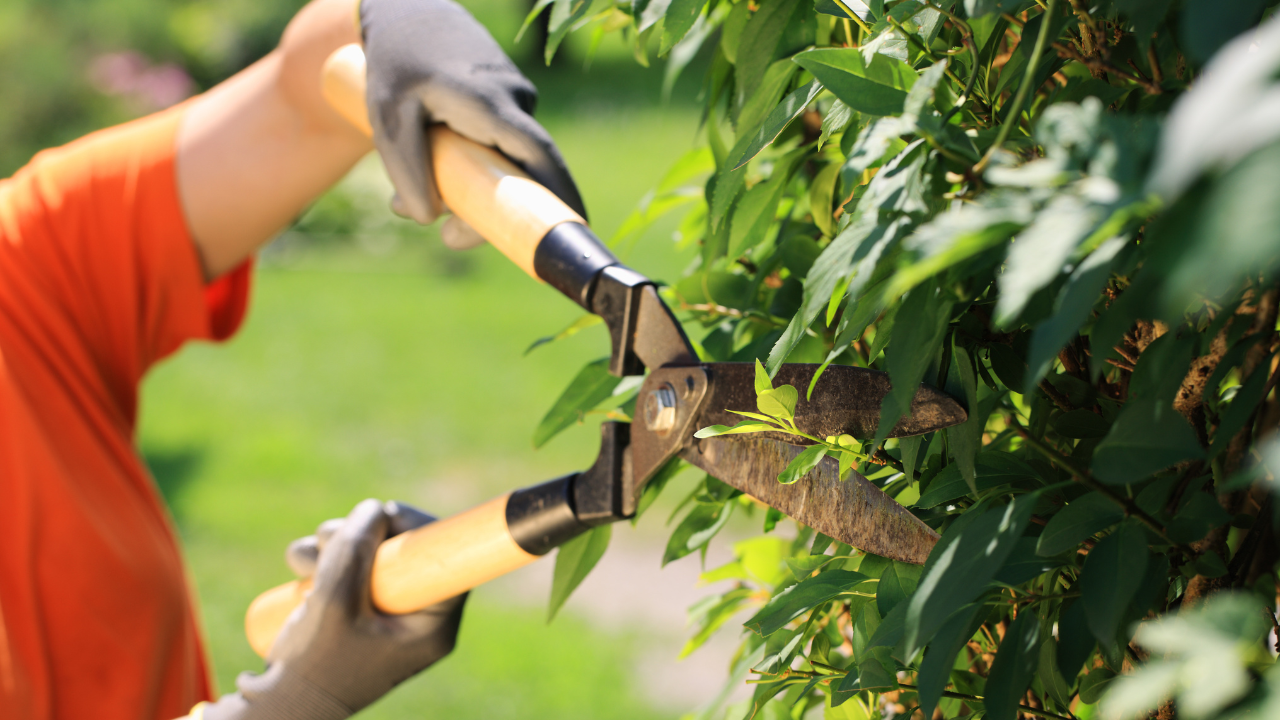
Shape hedges and evergreen shrubs lightly. A light trim tidies overgrowth without forcing a flush of tender new growth right before cold weather.
Hold off on spring bloomers. Azaleas and other spring flowering shrubs set next year's buds in late summer and fall. Prune them now and you cut off the flowers. Wait until right after they bloom in spring.
The last items on the checklist protect everything you just worked on.
Lower the mower gradually. Keep cutting fescue as long as it grows, bringing it down slightly over the last few mows. Avoid scalping it short.
Feed cool season grass. Fall is the main feeding season for tall fescue. A fall fertilizer application helps roots store energy for winter and green up faster in spring. A soil test tells you exactly what your lawn needs, and Virginia Cooperative Extension recommends testing at least once every three years.
Drain hoses and protect spigots. Hampton Roads freezes are short, but one hard night can split a hose or crack an outdoor faucet. Disconnect hoses, drain them, and store them.
Shut down irrigation. If you have a sprinkler system, turn it off and drain it before the first freeze.
Clean and store tools. Sharpen mower blades and clean equipment now so everything is ready in spring.
Plenty of homeowners handle fall cleanup themselves, and for a small yard with a few trees that is very doable. A rake, a mower and a free weekend will get you most of the way.
Hiring it out makes more sense when:
A professional crew can usually finish in a few hours what takes a homeowner several weekends, and they haul everything away.
Working through this fall yard cleanup checklist now means a healthier lawn and cleaner beds when spring arrives. Clear the leaves often, seed the thin spots on time, refresh the mulch, and protect what needs protecting before the first freeze.
If you would rather spend your weekends somewhere other than behind a rake, Andrae's Landscaping handles it for you. We offer full fall cleanup in Chesapeake, including leaf removal, aeration and overseeding, and the same fall cleanup service in Norfolk with hedge trimming and mulching. Book your free estimate today and we will get you on the schedule before the leaves pile up.
What should be on a fall yard cleanup checklist?
Leaf removal, aeration and overseeding for fescue lawns, fresh mulch in the beds, trimming dead branches and overgrown shrubs, and winter prep like fertilizing, draining hoses and shutting down irrigation.
When should I do a fall cleanup in Hampton Roads?
Most yards need attention from late September through early December. Aeration and overseeding should happen by mid October, while leaf removal continues until the trees are bare.
Is it okay to leave leaves on the lawn over winter?
A light scattering mowed into small pieces is fine and even feeds the soil. A thick layer is not. It blocks light, holds moisture and can kill patches of grass by spring.
Should I fertilize my lawn in the fall?
If you have tall fescue, yes. Fall is its most important feeding season. Warm season grasses like Bermuda should not be fertilized heading into dormancy.
How long does a professional fall cleanup take?
It depends on yard size and how many trees you have. Most residential cleanups take a crew a few hours, compared with several weekends for a homeowner working alone.
Can I trim my shrubs in the fall?
Light shaping of evergreens and hedges is fine. Avoid pruning spring flowering shrubs like azaleas, since you will remove next year's blooms.
Let's create a landscape where you can relax, entertain, and make
memories. Reach out today to start bringing your vision to life.


Let's create a landscape where you can relax, entertain,
and make memories. Reach out today to start bringing
your vision to life.